
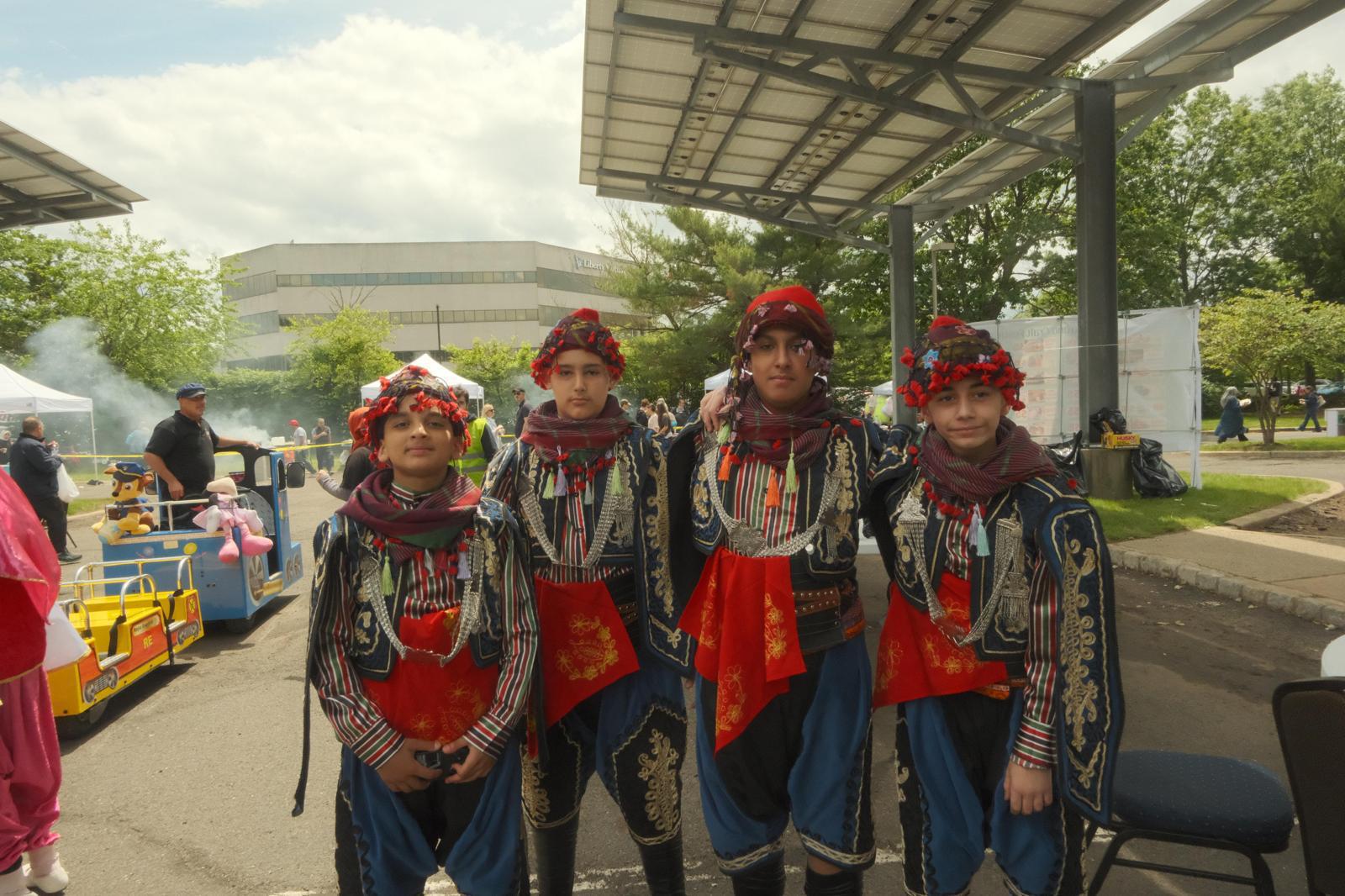
A Mosaic of Civilizations
Turkish culture is a rich tapestry woven from the legacies of countless civilizations that have called Anatolia home — from the Hittites, Greeks, and Romans to the Byzantines, Seljuks, and Ottomans. This layered history is not just found in museums or ruins; it lives in everyday customs, architecture, language, and cuisine, creating a cultural identity that is both deeply rooted and dynamically evolving.
Music, Dance, & Folk Traditions
Music in Turkey ranges from the refined melodies of classical Ottoman court music to the lively rhythms of regional folk dances like the Horon, Halay, or Zeybek. Instruments such as the saz, ney, and darbuka carry centuries of emotional and spiritual expression. These traditions often accompany festivals, weddings, and communal gatherings.
Hospitality & Community Life
Hospitality is at the heart of Turkish life. Whether in a bustling city or a remote village, guests are treated with warmth and generosity — often welcomed with tea, homemade food, and heartfelt conversation. Family and community ties are strong, reflecting a culture where relationships matter deeply.
Religion & Spiritual Traditions
While Turkey is a secular republic, Islam plays a central role in many people’s lives. You’ll hear the call to prayer echoing through cities, witness Sufi whirling ceremonies in Konya, and find mosques that are architectural masterpieces. Diverse minority faiths also shape the spiritual landscape.
Language & Literature
Turkish is a member of the Turkic language family and has evolved over centuries. Its literary tradition spans from oral epic poetry and Sufi mysticism to modern novels and contemporary theater. Writers like Yunus Emre, Nazım Hikmet, and Orhan Pamuk offer a window into the soul of Turkish thought.
The Role of Geography
Turkey’s geography — bridging Europe and Asia — has made it a crossroads of commerce, culture, and conflict for millennia. Its landscapes range from Mediterranean coasts and Aegean olive groves to central steppes and eastern mountains. This diversity emphasizes adaptability and intercultural dialogue.